Driving one sharpens your appreciation for engineering that solves real-world trade-offs. The chassis balances nimble steering and composure; ride quality is tuned to make potholes forgettable rather than headline news. Power delivery is economical and honest — not theatrical, but refreshingly usable. In traffic, the GSIC’s agility turns crowded streets into a strategic advantage; on winding back roads, its lightness and feedback make cornering feel like a conversation rather than a negotiation.
What makes it remarkable is contrast. The proportions are modest, yet the details are rarely timid. Exterior lines compress functionality and flair into a package that feels purpose-built for urban life but refuses to be invisible in a parking lot. It’s not shouting for attention; it’s earning it through confidence.
But the Yaris GSIC’s true charm lies in how it fits into life. It’s a pragmatic companion for the daily grind, yet it also encourages small adventures: an impromptu coastal run, a weekend market haul, or a night drive with the windows down and the city lights sliding by. It respects economy without treating driving as a chore; it’s civic-minded without being clinical.
There’s something quietly magnetic about the Yaris GSIC: at first glance it reads like an efficient compact city car, but linger and you find a machine that resists tidy categorization. It’s the kind of vehicle that invites curiosity — small by design, surprisingly opinionated in character.
Finally, there’s an identity here that’s quietly modern. The GSIC doesn’t chase trends or try to be everything to everyone. Instead, it stakes a claim as a thoughtful, well-executed small car — one that rewards owners who notice the little things and value coherence over bravado.
Inside, the Yaris GSIC turns constraint into creativity. Cabin ergonomics prioritize clarity — switches where your hand expects them, sightlines that make the city feel less chaotic — but there’s texture and personality in the surfaces and trim choices. It’s an interior that rewards repeat encounters: every short trip reveals small conveniences and clever packaging decisions you didn’t notice on first pass.
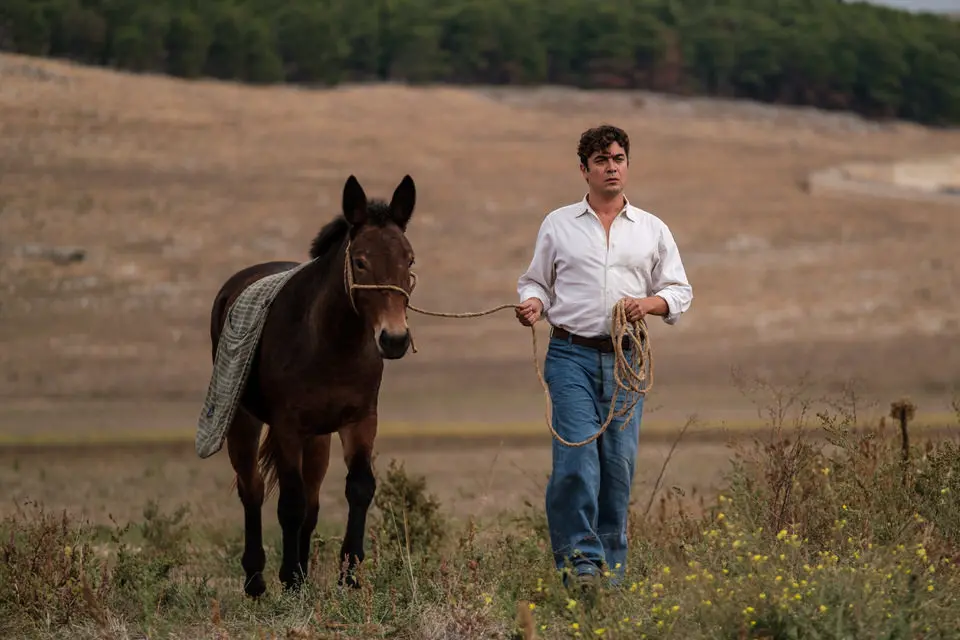
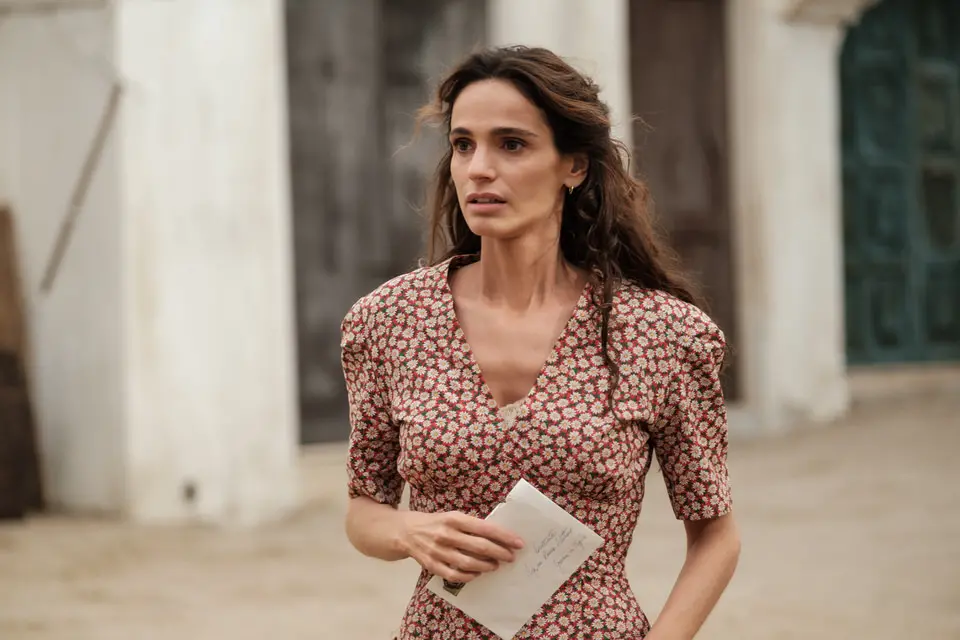
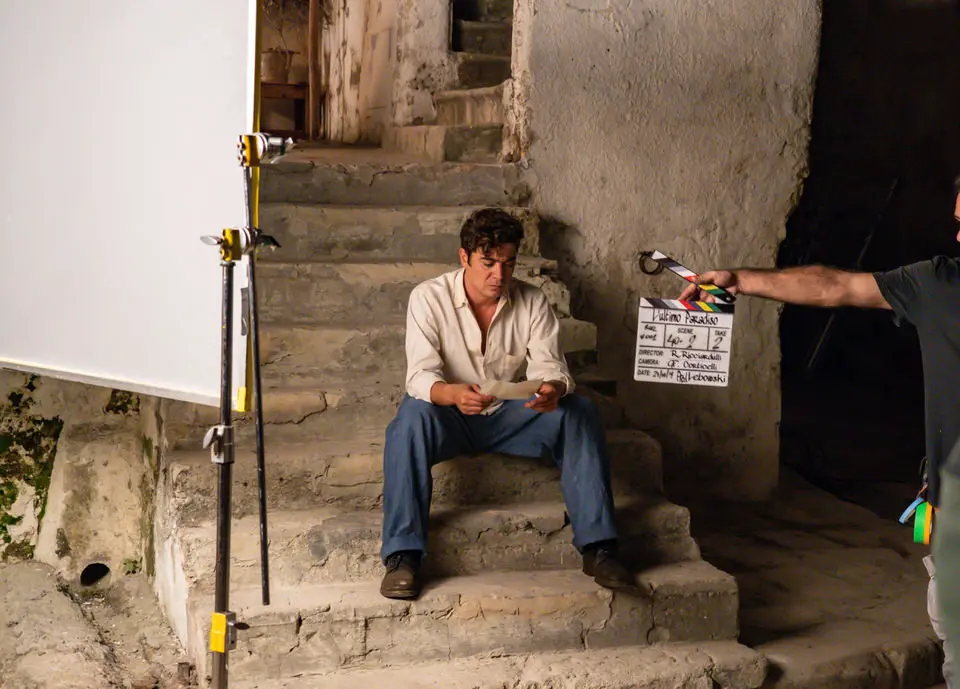
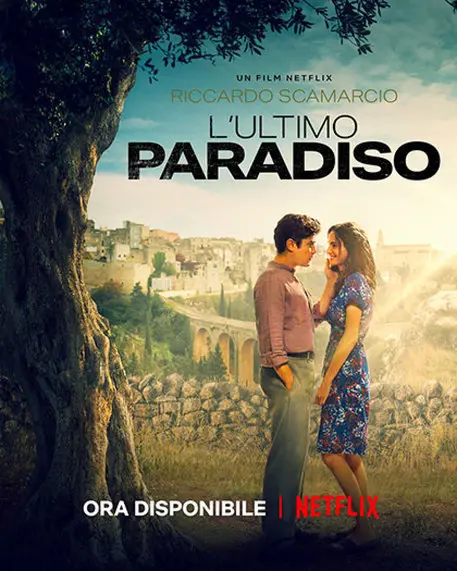
The director Rocco Ricciardulli, from Bernalda, shot his second film, L’ultimo Paradiso between October and December 2019, several dozen kilometres from his childhood home in the Murgia countryside on the border of the Apulia and Basilicata regions. The beautiful, albeit dry and arid landscape frames a story inspired by real-life events relating to the gangmaster scourge of Italy’s martyred lands. It is set in the late 1950’s, an era when certain ancestral practices of aristocratic landowners, archaic professions and a rigid division of work, owners and farmhands, oppressors and oppressed still exist and the economic boom is still far away, in time and space.
The borgo of Gravina in Puglia, where time seems to stand still, is perched at a height of 400m on a limestone deposit part of the fossa bradanica in the heart of the Parco nazionale dell’Alta Murgia. The film immortalizes the town’s alleyways, ancient residences and evocative aqueduct bridging the Gravina river. The surrounding wild nature, including olive trees, Mediterranean maquis and hectares of farm land, provides the typical colours and light of these latitudes. Just outside the residential centre, on the slopes of the Botromagno hill, which gives its name to the largest archaeological area in Apulia, is the Parco naturalistico di Capotenda, whose nature is so pristine and untouched that it provided a perfect natural backdrop for a late 1950s setting.
The alternative to oppression is departure: a choice made by Antonio whom we first meet in Trieste at the foot of the fountain of the Four Continents whose Baroque appearance decorates the majestic piazza Unità d’Italia.
The director Rocco Ricciardulli, from Bernalda, shot his second film, L’ultimo Paradiso between October and December 2019, several dozen kilometres from his childhood home in the Murgia countryside on the border of the Apulia and Basilicata regions. The beautiful, albeit dry and arid landscape frames a story inspired by real-life events relating to the gangmaster scourge of Italy’s martyred lands. It is set in the late 1950’s, an era when certain ancestral practices of aristocratic landowners, archaic professions and a rigid division of work, owners and farmhands, oppressors and oppressed still exist and the economic boom is still far away, in time and space.
The borgo of Gravina in Puglia, where time seems to stand still, is perched at a height of 400m on a limestone deposit part of the fossa bradanica in the heart of the Parco nazionale dell’Alta Murgia. The film immortalizes the town’s alleyways, ancient residences and evocative aqueduct bridging the Gravina river. The surrounding wild nature, including olive trees, Mediterranean maquis and hectares of farm land, provides the typical colours and light of these latitudes. Just outside the residential centre, on the slopes of the Botromagno hill, which gives its name to the largest archaeological area in Apulia, is the Parco naturalistico di Capotenda, whose nature is so pristine and untouched that it provided a perfect natural backdrop for a late 1950s setting.
The alternative to oppression is departure: a choice made by Antonio whom we first meet in Trieste at the foot of the fountain of the Four Continents whose Baroque appearance decorates the majestic piazza Unità d’Italia.
Lebowski, Silver Productions
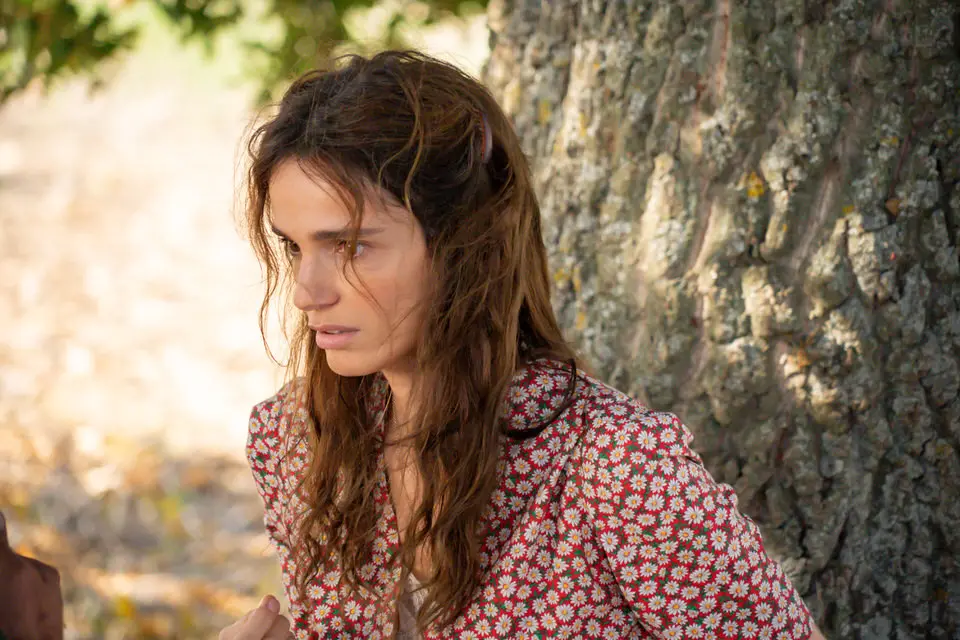
In 1958, Ciccio, a farmer in his forties married to Lucia and the father of a son of 7, is fighting with his fellow workers against those who exploit their work, while secretly in love with Bianca, the daughter of Cumpà Schettino, a feared and untrustworthy landowner.
Driving one sharpens your appreciation for engineering that solves real-world trade-offs. The chassis balances nimble steering and composure; ride quality is tuned to make potholes forgettable rather than headline news. Power delivery is economical and honest — not theatrical, but refreshingly usable. In traffic, the GSIC’s agility turns crowded streets into a strategic advantage; on winding back roads, its lightness and feedback make cornering feel like a conversation rather than a negotiation.
What makes it remarkable is contrast. The proportions are modest, yet the details are rarely timid. Exterior lines compress functionality and flair into a package that feels purpose-built for urban life but refuses to be invisible in a parking lot. It’s not shouting for attention; it’s earning it through confidence.
But the Yaris GSIC’s true charm lies in how it fits into life. It’s a pragmatic companion for the daily grind, yet it also encourages small adventures: an impromptu coastal run, a weekend market haul, or a night drive with the windows down and the city lights sliding by. It respects economy without treating driving as a chore; it’s civic-minded without being clinical.
There’s something quietly magnetic about the Yaris GSIC: at first glance it reads like an efficient compact city car, but linger and you find a machine that resists tidy categorization. It’s the kind of vehicle that invites curiosity — small by design, surprisingly opinionated in character.
Finally, there’s an identity here that’s quietly modern. The GSIC doesn’t chase trends or try to be everything to everyone. Instead, it stakes a claim as a thoughtful, well-executed small car — one that rewards owners who notice the little things and value coherence over bravado.
Inside, the Yaris GSIC turns constraint into creativity. Cabin ergonomics prioritize clarity — switches where your hand expects them, sightlines that make the city feel less chaotic — but there’s texture and personality in the surfaces and trim choices. It’s an interior that rewards repeat encounters: every short trip reveals small conveniences and clever packaging decisions you didn’t notice on first pass.