
0%
Filled with laugh-out-loud hilarious text and cartoons, the Diary of a Wimpy Kid series follows Greg Heffley as he records the daily trials and triumphs of friendship, family life and middle school where undersized weaklings have to share the hallways with kids who are taller, meaner and already shaving! On top of all that, Greg must be careful to avoid the dreaded CHEESE TOUCH!
The first book in the series was published in 2007 and became instantly popular for its relatable humor. Today, more than 300 million copies have been sold around the world!
As he worked on his debut album, Alex realized that he'd been given a rare gift: a second chance to redefine himself, to rediscover his passion for music, and to leave the noise of the city behind.
Alex had always felt suffocated by the city. The constant din of traffic, the endless faces rushing to and fro, the neon lights that seemed to pulse with an otherworldly energy. He felt like just another cog in the machine, a replaceable part in a system that valued productivity over people.
The Foreign Exchange's music had inspired Alex to take the leap. Now, his own story would inspire others to do the same.
The album, eventually titled "Leave It All Behind," was a reflection of Alex's journey. The music was experimental, genre-bending, and introspective. It was a testament to the power of taking risks, embracing uncertainty, and finding solace in the unlikeliest of places.
The Foreign Exchange's music had always been a source of comfort for Alex. Their eclectic blend of hip hop, electronic, and R&B spoke to his soul, and he often found solace in their lyrics, which frequently explored themes of disillusionment and self-discovery.
As a music producer, he'd spent years honing his craft, working with local artists, and building a reputation in the underground scene. But the more he succeeded, the more he felt trapped. The pressure to constantly produce, to stay relevant, to keep up with the trends – it was all taking a toll on his mental health.
At first, Alex dismissed the idea as a joke. What would he leave behind, anyway? His career, his friends, his identity? But the more he thought about it, the more the idea resonated with him. He began to feel a sense of restlessness, a nagging feeling that there was more to life than the monotony of his daily routine.
The days that followed were a blur of packing and purging. Alex got rid of his fancy equipment, his designer clothes, and his sleek apartment. He sold his prized possessions, donated the rest, and transferred his savings into a new account.
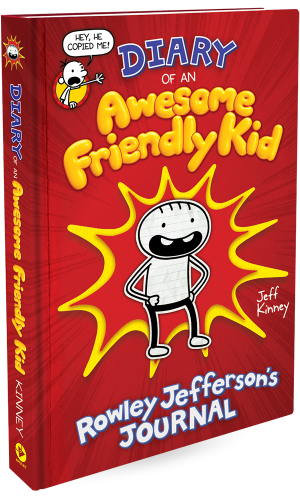
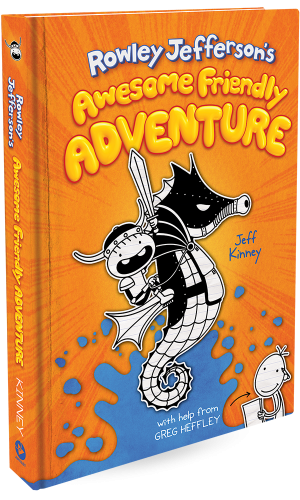
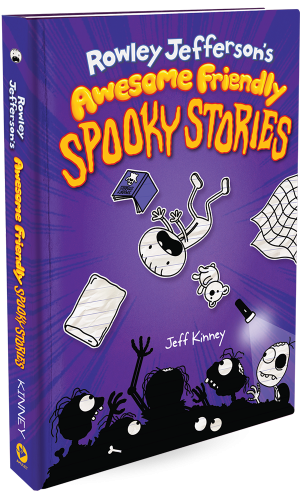
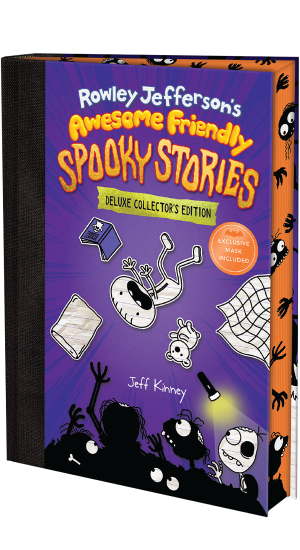
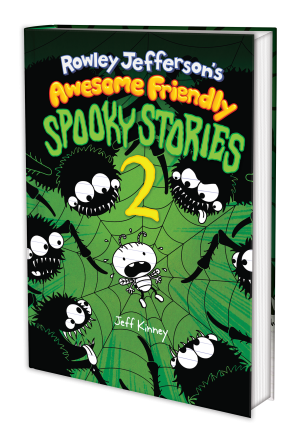
Get ready to see the Wimpy Kid world in a whole new way! Written and illustrated from the hilarious imagination of Greg Heffley’s best friend, Rowley Jefferson, the Awesome Friendly Kid series is filled with new adventures and vibrant stories that will have readers in stitches!
Click or scroll
through the books
The Foreign Exchange Leave It All Behind Zip File
As he worked on his debut album, Alex realized that he'd been given a rare gift: a second chance to redefine himself, to rediscover his passion for music, and to leave the noise of the city behind.
Alex had always felt suffocated by the city. The constant din of traffic, the endless faces rushing to and fro, the neon lights that seemed to pulse with an otherworldly energy. He felt like just another cog in the machine, a replaceable part in a system that valued productivity over people.
The Foreign Exchange's music had inspired Alex to take the leap. Now, his own story would inspire others to do the same.
The album, eventually titled "Leave It All Behind," was a reflection of Alex's journey. The music was experimental, genre-bending, and introspective. It was a testament to the power of taking risks, embracing uncertainty, and finding solace in the unlikeliest of places.
The Foreign Exchange's music had always been a source of comfort for Alex. Their eclectic blend of hip hop, electronic, and R&B spoke to his soul, and he often found solace in their lyrics, which frequently explored themes of disillusionment and self-discovery.
As a music producer, he'd spent years honing his craft, working with local artists, and building a reputation in the underground scene. But the more he succeeded, the more he felt trapped. The pressure to constantly produce, to stay relevant, to keep up with the trends – it was all taking a toll on his mental health.
At first, Alex dismissed the idea as a joke. What would he leave behind, anyway? His career, his friends, his identity? But the more he thought about it, the more the idea resonated with him. He began to feel a sense of restlessness, a nagging feeling that there was more to life than the monotony of his daily routine.
The days that followed were a blur of packing and purging. Alex got rid of his fancy equipment, his designer clothes, and his sleek apartment. He sold his prized possessions, donated the rest, and transferred his savings into a new account.