Show Focus Points
2019 update released! Check out download page for details
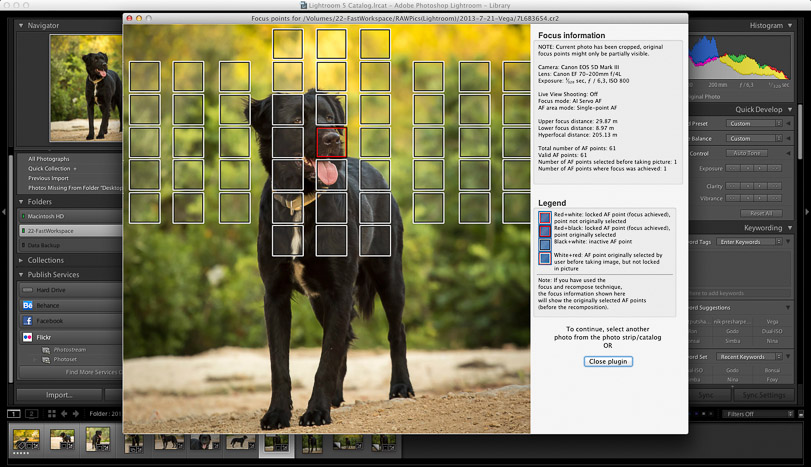
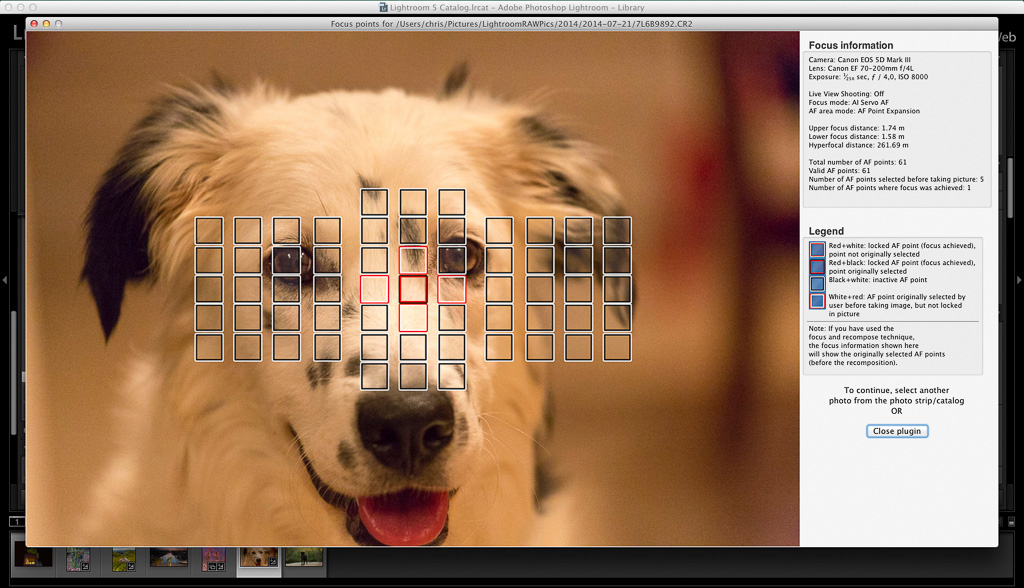
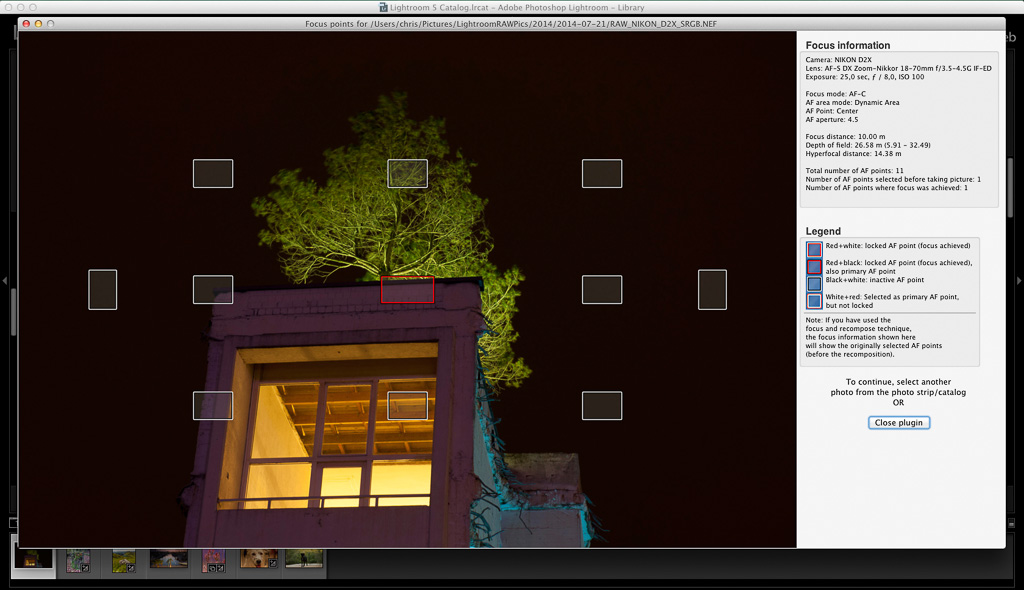
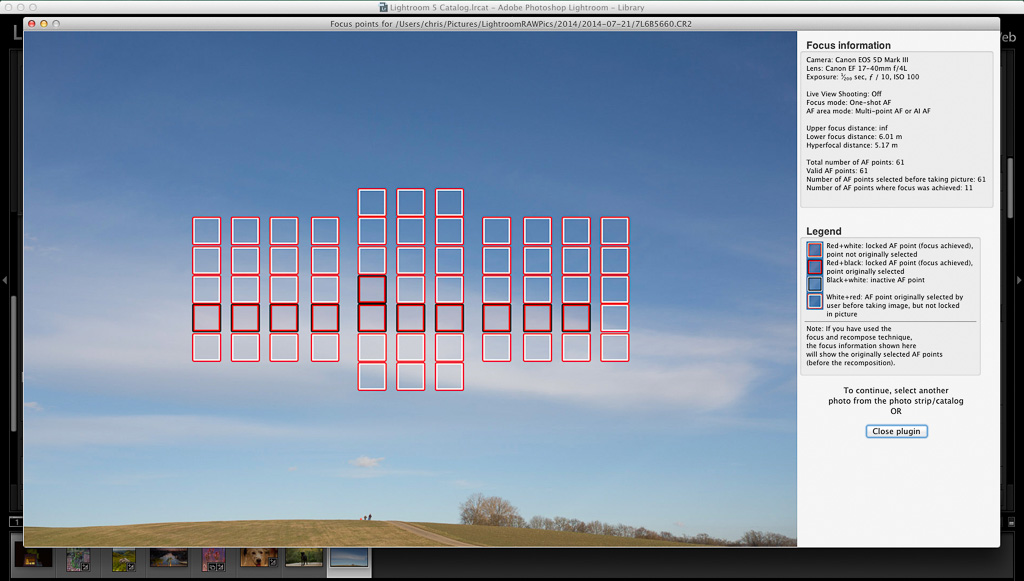
Show Focus Points is a plugin for Adobe Lightroom. It shows you which focus points were selected by your camera when the photo was taken.
Show Focus Points
2019 update released! Check out download page for details
Show Focus Points is a plugin for Adobe Lightroom. It shows you which focus points were selected by your camera when the photo was taken.
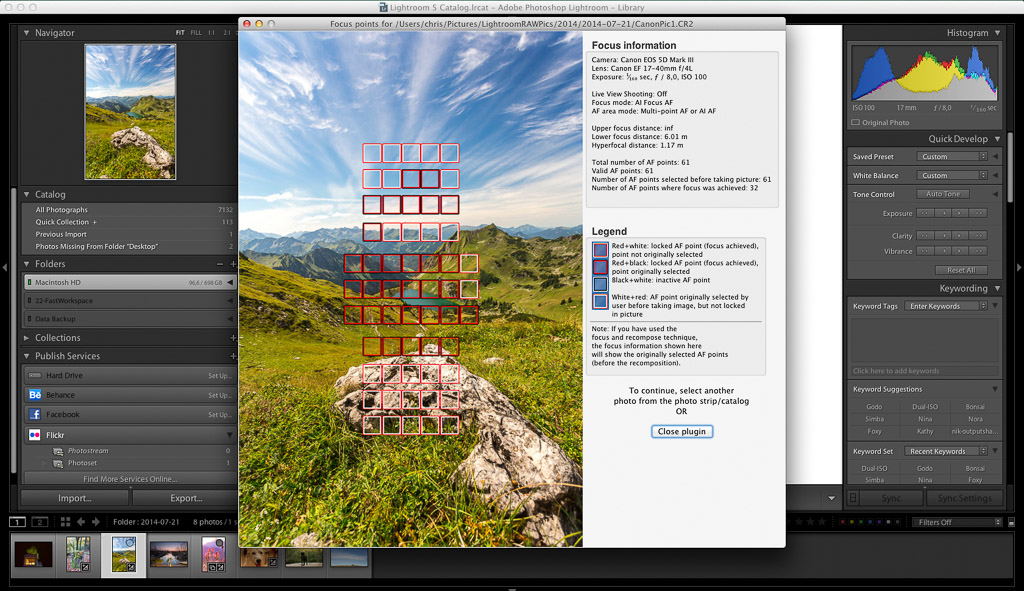
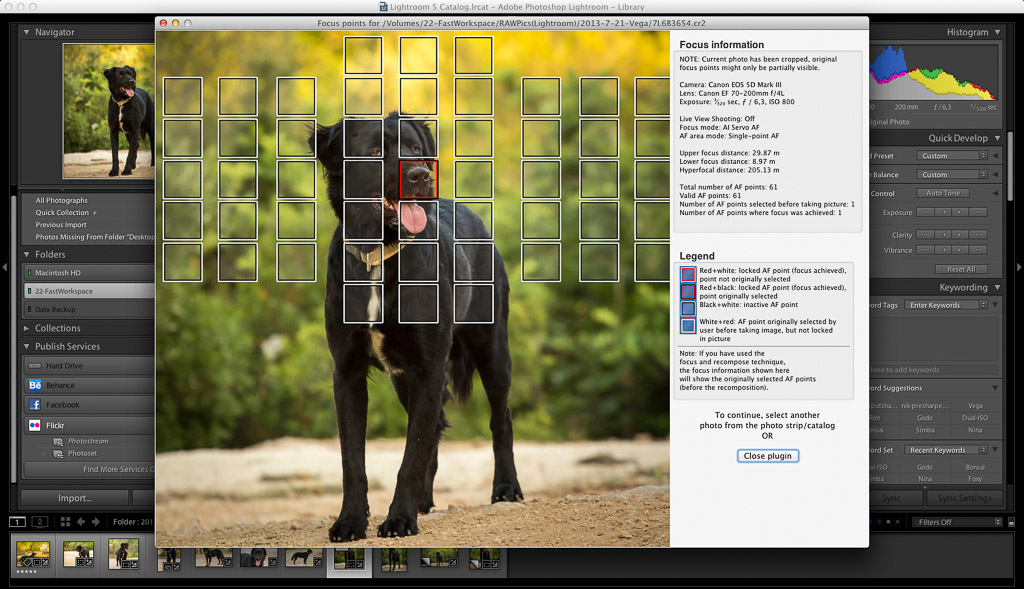
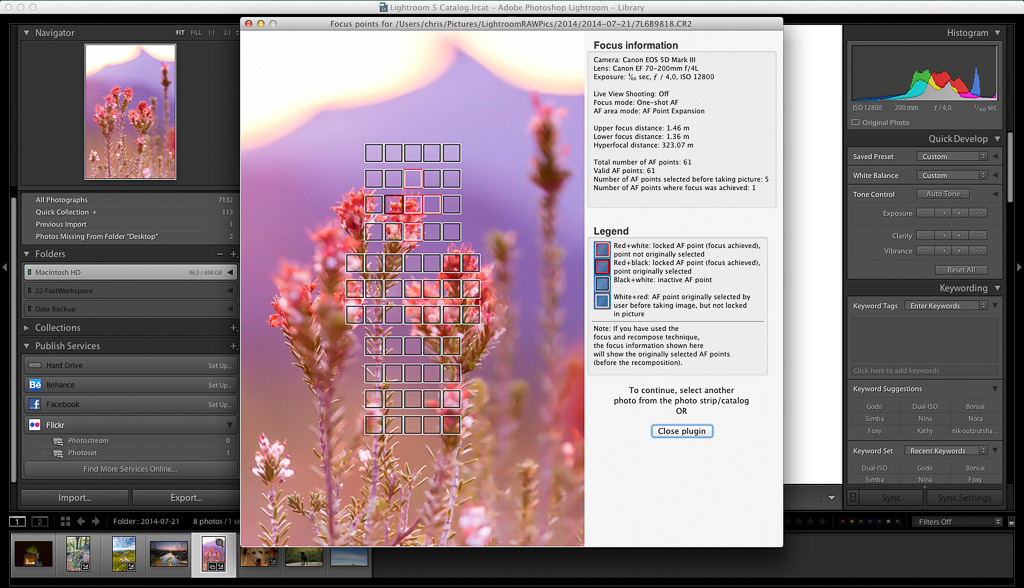
Show Focus Points is a plugin for Adobe Lightroom which shows you which of your camera's focus points were used when you took a picture.
Below find some screenshots of the plugin in action.
Click on the images to enlarge them.
Download Mac-only version (6.6 MB)
Download Windows-only version (14 MB)
Download version containing both Mac+Windows versions (20 MB)
Criminal procedure is a complex and multifaceted field, with a rich history and constitutional foundations. Understanding the various stages of the criminal justice process, as well as the key issues and controversies that arise, is essential for anyone interested in the administration of justice. As we continue to grapple with issues of crime and punishment, it is essential that we prioritize fairness, accuracy, and due process.
This PDF provides a comprehensive overview of the rules and procedures that govern the investigation, prosecution, and adjudication of crimes in the United States. criminal procedure tan pdf
The modern concept of criminal procedure in the United States has its roots in the English common law system. The English system emphasized the use of warrants and the requirement that law enforcement officials have probable cause to make arrests and conduct searches. The American colonies adopted many of these principles, which were later codified in the United States Constitution. Criminal procedure is a complex and multifaceted field,
The Fourth Amendment to the Constitution, ratified in 1791, provides protections against unreasonable searches and seizures, while the Fifth Amendment's due process clause ensures that individuals are not deprived of life, liberty, or property without fair procedures. The Sixth Amendment guarantees the right to a fair trial, including the right to a speedy and public trial, the right to be informed of the charges, and the right to counsel. This PDF provides a comprehensive overview of the
Criminal procedure is a complex and multifaceted field, with a rich history and constitutional foundations. Understanding the various stages of the criminal justice process, as well as the key issues and controversies that arise, is essential for anyone interested in the administration of justice. As we continue to grapple with issues of crime and punishment, it is essential that we prioritize fairness, accuracy, and due process.
This PDF provides a comprehensive overview of the rules and procedures that govern the investigation, prosecution, and adjudication of crimes in the United States.
The modern concept of criminal procedure in the United States has its roots in the English common law system. The English system emphasized the use of warrants and the requirement that law enforcement officials have probable cause to make arrests and conduct searches. The American colonies adopted many of these principles, which were later codified in the United States Constitution.
The Fourth Amendment to the Constitution, ratified in 1791, provides protections against unreasonable searches and seizures, while the Fifth Amendment's due process clause ensures that individuals are not deprived of life, liberty, or property without fair procedures. The Sixth Amendment guarantees the right to a fair trial, including the right to a speedy and public trial, the right to be informed of the charges, and the right to counsel.